
The Ruins of Orange County, Virginia: Exploring the History of Barboursville Mansion

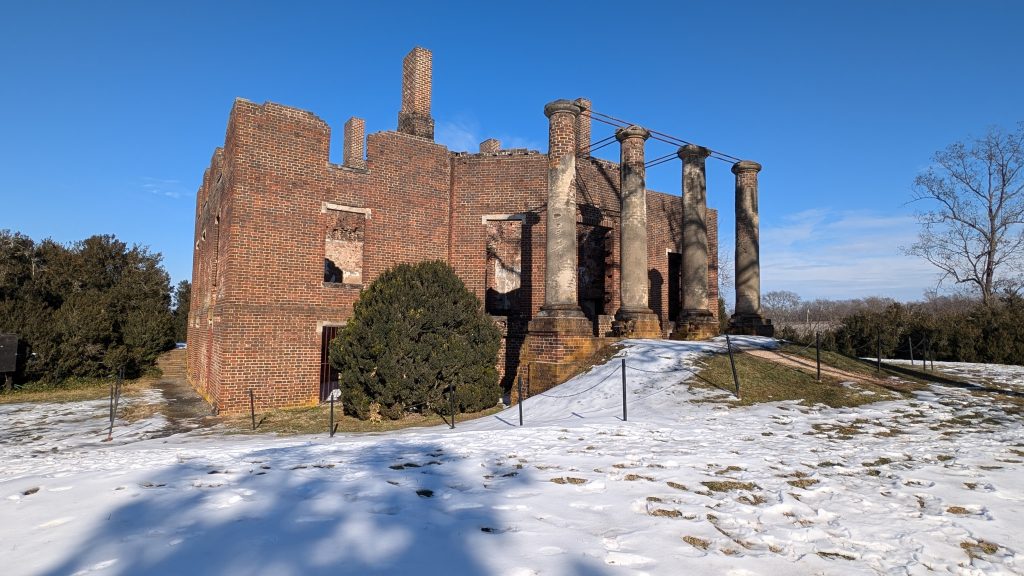
Barboursville Mansion | Orange County, Virginia | Built c. 1830s, burned in 1884
In the rolling hills of Orange County, Virginia, framed by vineyards and mountain views, stand the majestic, ivy-covered remains of a Neo-Palladian masterpiece. This is the Barboursville Mansion- once the home of statesman James Barbour, and the only building in Orange County known to have been designed by Thomas Jefferson.
Though destroyed by fire in 1884, the ruins remain one of Virginia’s most romantic historic landmarks. Today, they stand at the heart of Barboursville Vineyards, where old walls meet new vines, linking Jefferson’s architectural vision to the rebirth of Virginia’s wine industry.
A Friendship Forged in Architecture
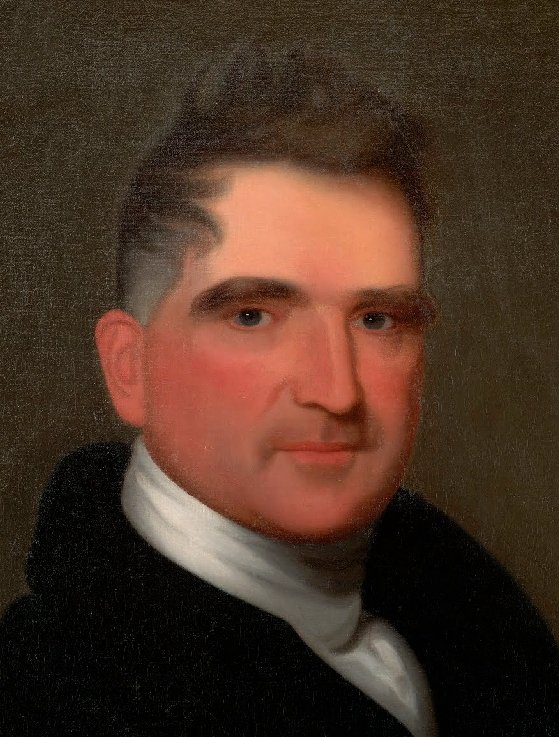
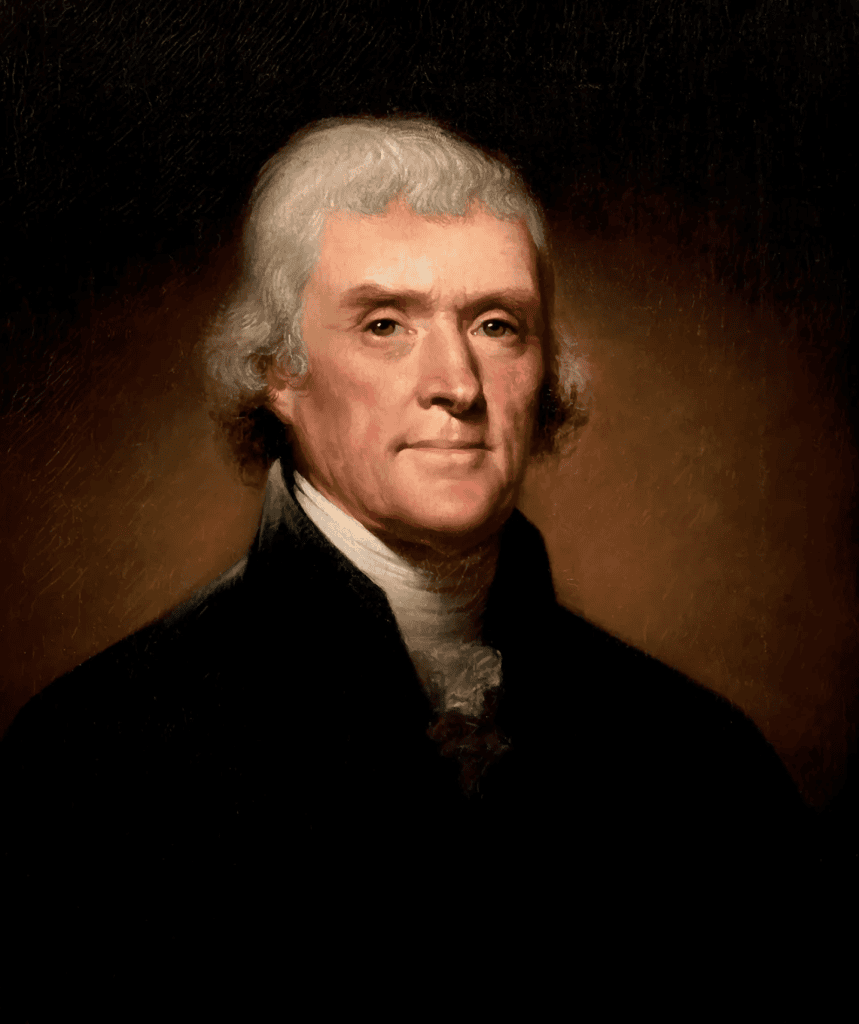
The history of Barboursville began with a collaboration between two Virginians of influence: James Barbour (1775–1842) and Thomas Jefferson.
Barbour’s career was long and illustrious. He served as Governor of Virginia (1812–1814), U.S. Senator (1815–1825), Secretary of War, and later as Minister to England. Jefferson, a Founding Father and the third president of the United States (1801–1809), was also a gifted architect and inventor. Already renowned as the designer of Monticello and the University of Virginia, Jefferson was in his later years when Barbour sought his help in designing a home of elegance and stature.
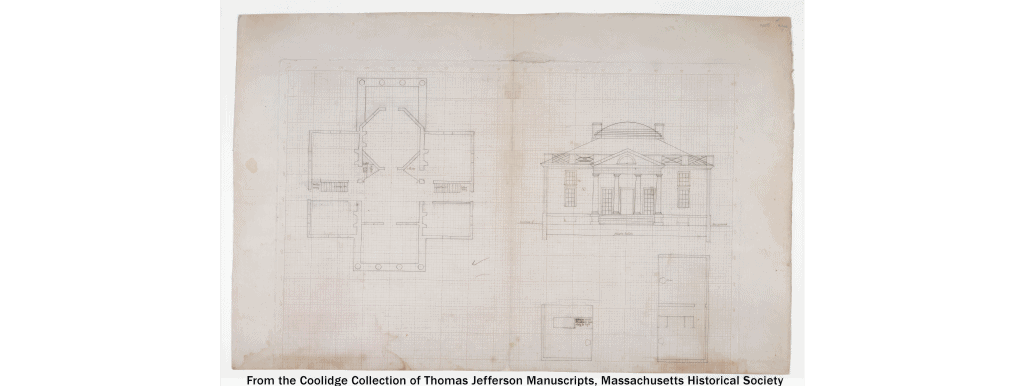
In 1817, construction began on Barboursville. Jefferson supplied the plans, and Barbour even sent his carpenter and bricklayer to Monticello to study Jefferson’s building techniques firsthand. While construction was underway, the Barbour family lived in two smaller brick dependencies- service buildings still standing today, now restored as guest accommodations. The mansion itself, built of plantation-made brick and resting on an English basement, was completed around 1822.
Jefferson’s Vision: A Cousin to Monticello
Barboursville resembled Monticello more closely than any other of Jefferson’s works, reflecting his deep admiration for classical and Palladian architecture. Key features included:
- Eight principal rooms, each grand in scale. The hall, drawing room, and dining room all rose two stories high.
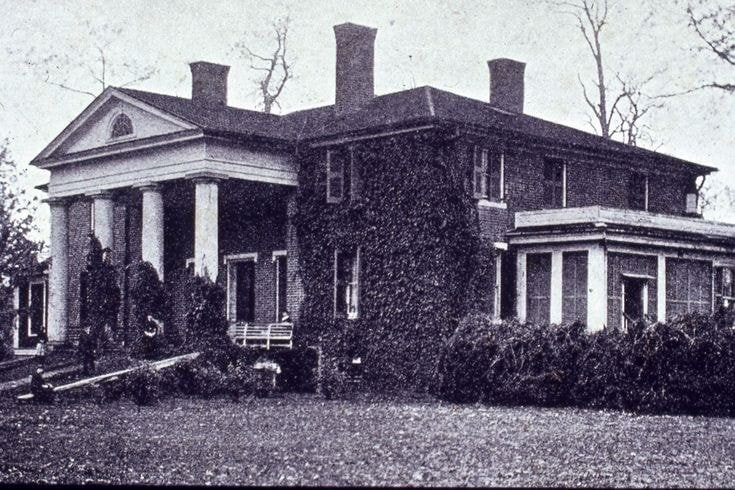
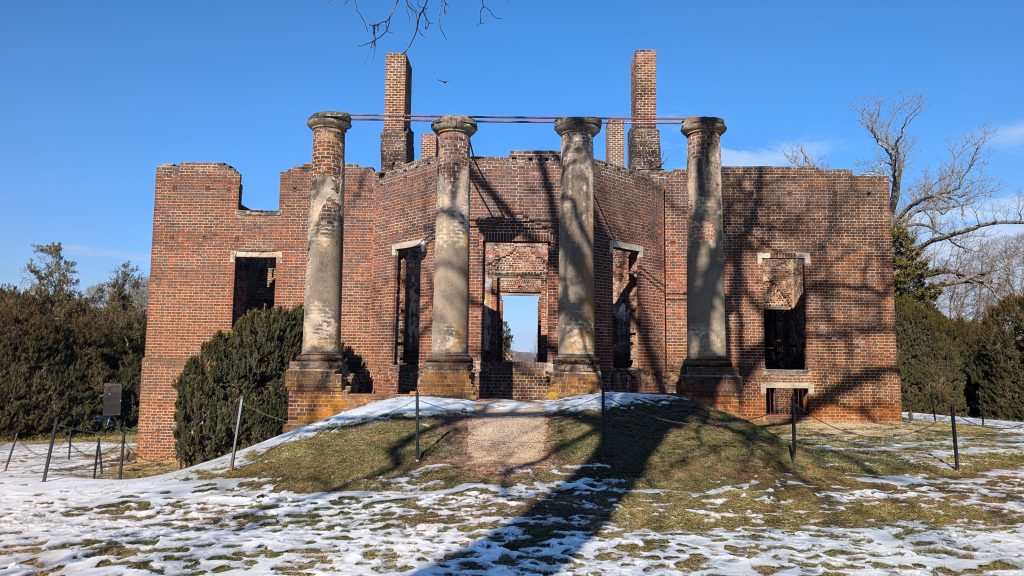
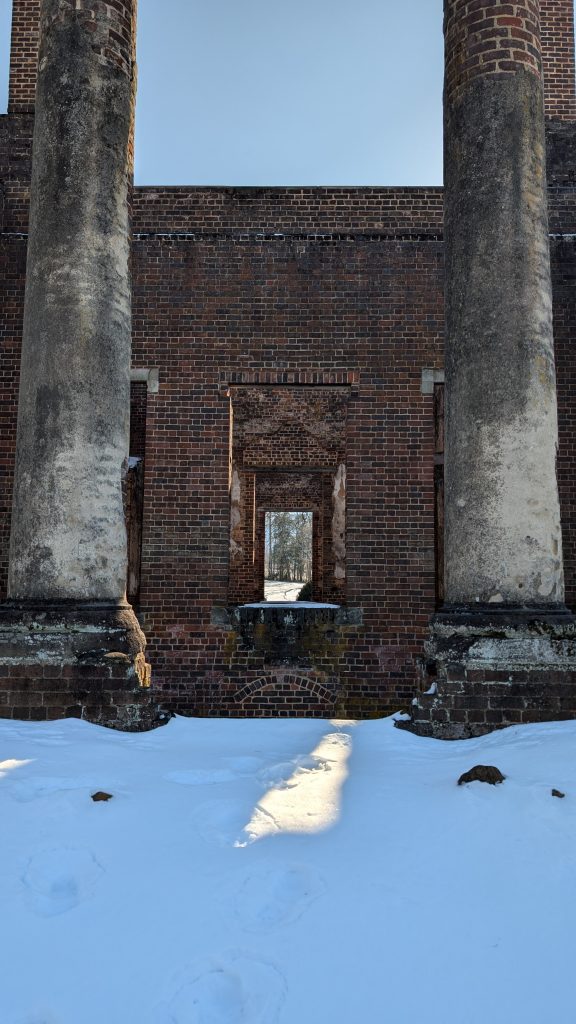
- A projecting Roman Doric portico with four columns, sheltering the recessed entrance.
- A dramatic octagonal drawing room on the garden front, projecting outward into its own portico—one of Jefferson’s architectural hallmarks.
Interestingly, Jefferson’s original design also called for a central octagonal dome and a “false window” to balance the garden façade, but both elements were omitted during construction. Their absence left the house slightly asymmetrical, a rare departure from Jefferson’s usual emphasis on symmetry.
A Grand House in Its Prime
Completed around 1822, the mansion was considered one of the largest and finest homes in Virginia’s Piedmont region. But it was more than a residence. It was also a stage for political gatherings and social prestige. James Barbour hosted prominent allies and international visitors here, cementing the estate as both a family home and a symbol of influence.
The grounds reflected its grandeur, with a formal boxwood garden, a serpentine brick wall, and a great oval racetrack used for horse racing and entertainment.
The Christmas Day Tragedy
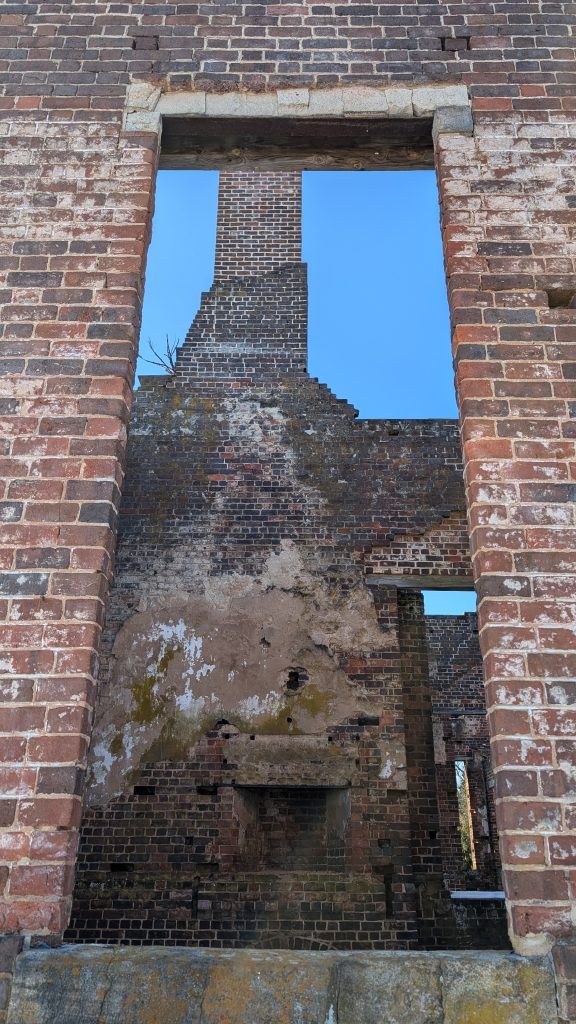
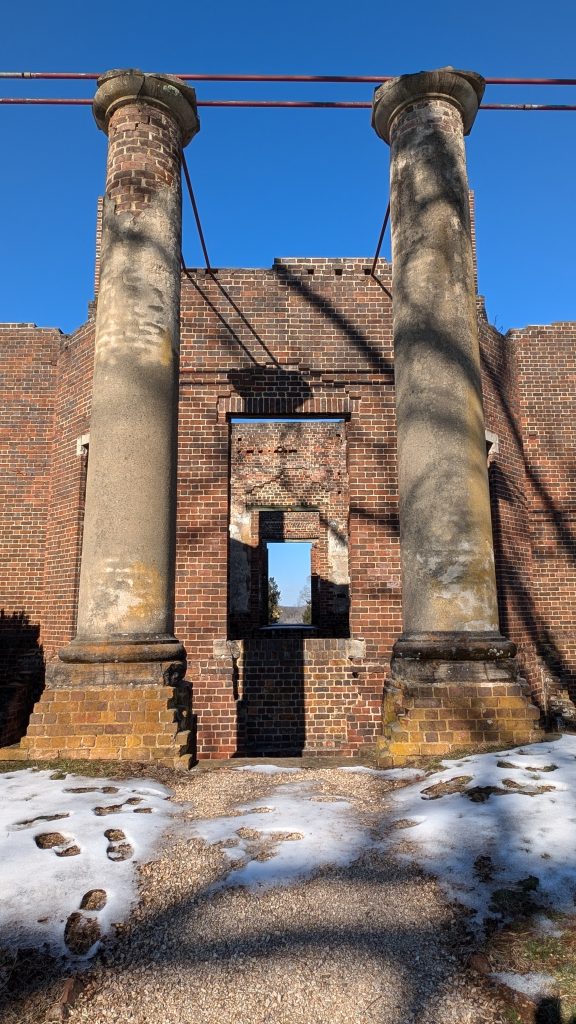
Barboursville stood for more than 60 years until Christmas Day, 1884, when fire swept through the mansion. The blaze destroyed everything except the exterior brick walls, the interior masonry partitions, and the columns of the porticoes. After the fire, the Barbour descendants moved back into the smaller brick dependencies, where they lived for generations.
From Ruin to Renewal: Barboursville Vineyards
Though reduced to ruins, Barboursville’s significance has never faded. Enough of the walls survive to allow comparison with Jefferson’s original drawings, and the site has been carefully stabilized. In 1969, Barboursville was added to the National Register of Historic Places.
In 1976, the estate was purchased by Gianni Zonin, a winemaker from Italy. Bringing centuries of Italian winemaking heritage to Virginia, Zonin helped establish Barboursville Vineyards, now one of the state’s most celebrated wineries. Today, the ruins serve as the vineyard’s romantic centerpiece. Visitors are welcome to explore them free of charge while sampling the estate’s award-winning wines.
Cultural Life Among the Ruins
Barboursville today is more than a ruin; it is a living cultural site. Besides the beautiful events hosted by the winery, the original brick dependencies have also been restored as the 1804 Inn & Cottages, offering guests historic lodging amid the vineyards. And each summer, the Four County Players present “Shakespeare at the Ruins”, an open-air theater production staged against the dramatic brick backdrop.


