Why Were Old Barns Painted Red?

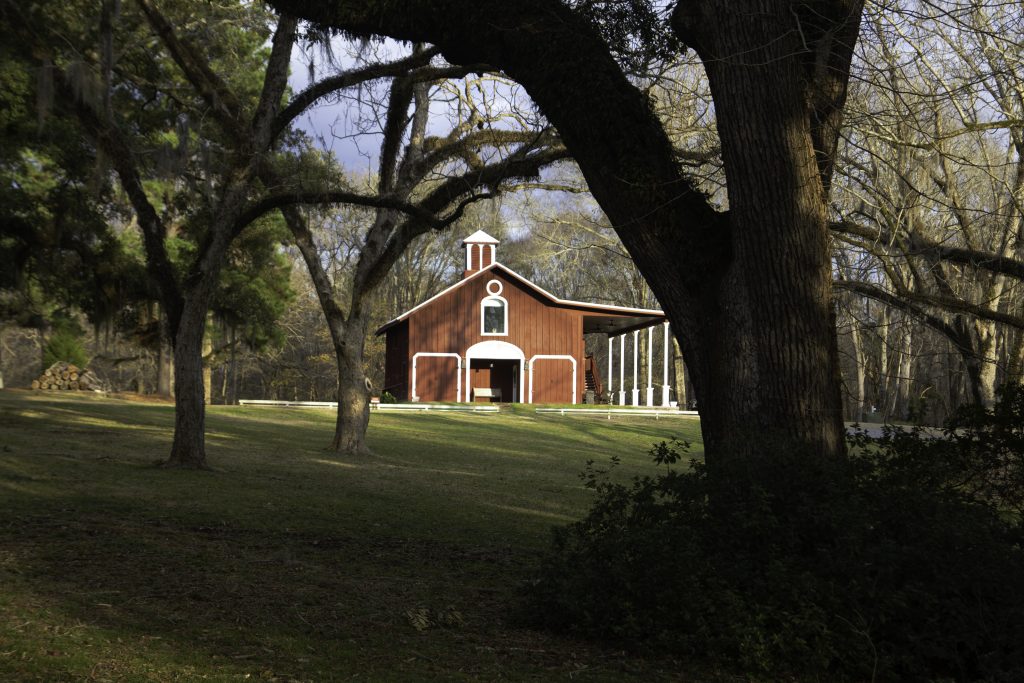
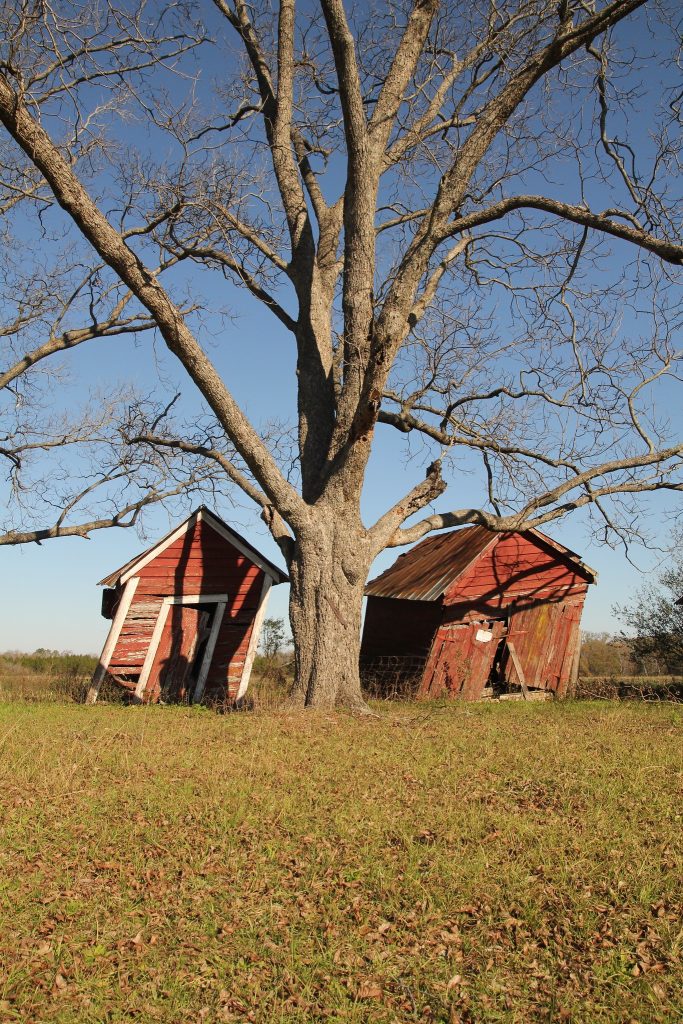
If you’ve spent any time on the backroads through rural America, then you’ve undoubtedly passed a red barn. These barns are so prolific that once you start looking for them, you’ll notice them everywhere. And while they are eye-catching and beautiful in a rural setting, there are numerous theories as to why old barns were painted red, leading to a tradition that continues to this day.

It is thought that the earliest painted red barns in the United States appeared in New England in the late 1600s. Back then, barns were critical to the farming operation, and damage or loss to a barn could compromise an entire crop so it was important to build sound structures that could withstand the elements. This included wind, rain, and storms, but also, the damage that would come from bugs and water rot.

In order to protect their barns and the wood from weathering prematurely, farmers began to create a protective varnish by mixing linseed oil with lime or iron oxide (rust). Linseed oil had a naturally orange hue and when it reacted with the iron oxide in the mixture and sunshine, the protective paint would turn a shade of red that has now become iconic. So iconic in fact that big red barns became regular landmarks for locals and were often referenced on maps due to their visibility.

As time went on and commercial paints and an array of colors became available, the tradition of painting barns red continued. One theory is that many more common paint colors, like white, contained more lead, which in turn made them more expensive and less accessible. So the tradition of red-painted barns continued and still does to this day in keeping with the old rural traditions.